
Food Waste Month: Good News, Hard Truths, and the Fridge Situation
April 29th is Stop Food Waste Day, which means it’s time for an honest conversation.
Not the big, overwhelming, “we must completely change our lives” kind.
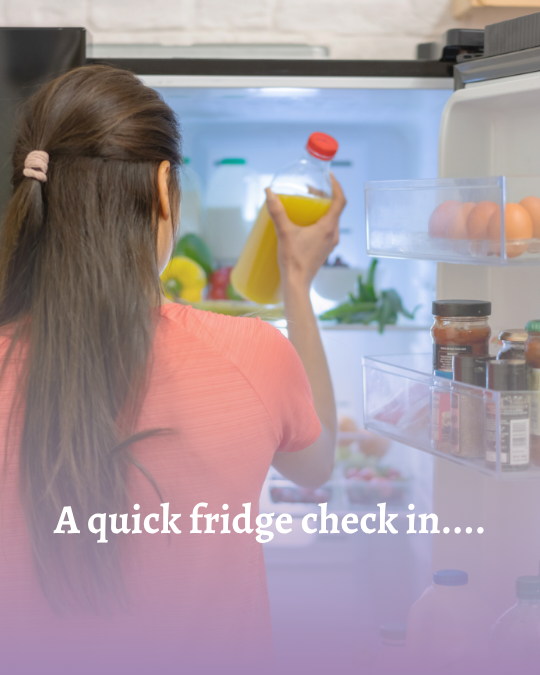
Just a small, realistic check-in. The kind that starts with opening the fridge… and seeing what’s actually going on in there.
Because let’s be honest—most of us have a “situation.”
A drawer of vegetables that started with promise and ended in… uncertainty. A leftover container that felt like a great idea at the time. A bag of salad that quietly crossed the line from “fresh” to “we’ll just close the lid again.”
But before we get too deep into fridge-related guilt, let’s start with something encouraging:
New Zealand is actually doing better than most of the world when it comes to food waste.
Globally, an estimated 30–40% of food is wasted. Here in NZ, it’s closer to 5–10% of total production. That’s not nothing—it’s a meaningful difference, and it reflects years of growing awareness, better habits, and a bit of classic Kiwi practicality.
So yes, we can take a moment to feel quietly pleased about that.
Unfortunately (you knew there was a “but”), we’re still wasting about 1.22 million tonnes of food every year.
And a significant portion of that? It’s happening at home.
The Household Factor
Roughly a third of New Zealand’s food waste comes from households. Not farms. Not supermarkets. Our kitchens.
Which makes sense, when you think about how life actually works.
We shop with good intentions. We plan meals. We buy the vegetables. And then… things change.
Plans shift. Evenings get busy. Takeaways happen. Leftovers get forgotten. And suddenly that perfectly good food becomes waste.
It’s not carelessness—it’s just real life.
But it does add up.
In fact, food waste costs New Zealand households around $3 billion every year. That’s a lot of money tied up in uneaten meals, forgotten ingredients, and produce that didn’t quite get its moment.
And lately, it’s becoming even more noticeable.
When Food Waste means Wasted Money
Food prices have been steadily rising across New Zealand.
Overall, food prices have increased by around 4–5% in the past year, but some of the most important everyday items have jumped even more:
Fruit and vegetables: up around 9%
Dairy and eggs: close to 9–10%
Meat: around 7–8%
And in some cases, specific items (like bread) have seen sharp spikes that really hit the weekly budget.
Which changes the way food waste feels.
It’s no longer just an environmental issue—or even just a “we should probably do better” issue.
It’s a practical, everyday, financial one.
That half-used bag of spinach? That’s money.
The leftovers you meant to eat? Also money.
The vegetables that didn’t quite make it? Definitely money.
Which brings us back to the fridge.
The Fridge Reality (We’re All Living It)
There’s something very human about the way food waste happens.
It’s rarely dramatic. It’s quiet. Incremental.
A carrot here. A handful of greens there. Half a cabbage that seemed like a good idea at the time.
We don’t throw food away because we don’t care—we throw it away because we’re busy, distracted, or just not quite sure what to do with it.
And sometimes, because we’ve run out of ideas.
That’s why the solution isn’t perfection.
It’s support.
A Very Practical Hero
Enter one of our favourite kitchen companions:
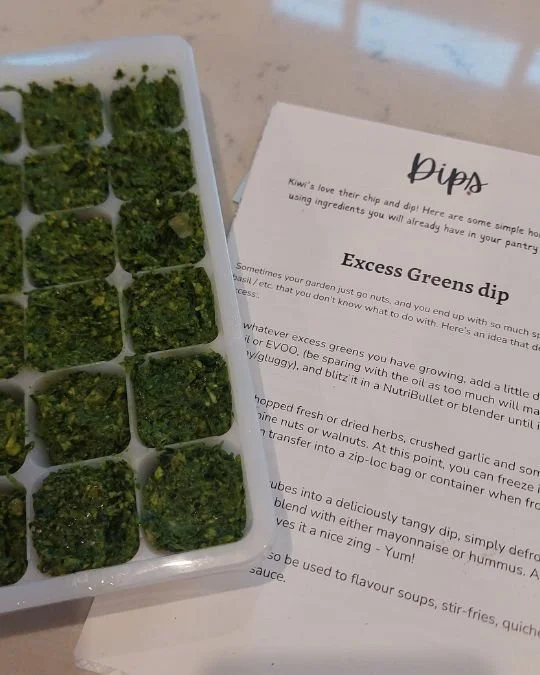
The Mercury Bay Resource Centre’s Kete Kai Cookbook
If you’ve ever opened the fridge and thought, “There’s food here… but not a meal,” this is for you.
The Kete Kai Cookbook is full of simple, flexible ideas that help you:
Use what you already have
Turn leftovers into something new
Make meals out of “odds and ends”
It’s not about fancy cooking or complicated recipes. It’s good honest tips provided by our community for our community.
It’s about making the most of what’s in front of you—whether that’s a few tired vegetables, some leftover rice, or a mix of ingredients that don’t obviously belong together.
And somehow, it works.
Meals come together. Food gets used. Waste goes down.
And perhaps most importantly—you feel a little more in control.
Small Changes That Actually Work
Food waste can feel like a big issue. And it is.
But the changes that make the biggest difference are often small and realistic:
Cooking one “use-it-up” meal each week
Freezing leftovers before they’re forgotten
Planning loosely instead of perfectly
Being a bit more creative with what’s already in the fridge
It’s not about never wasting anything.
It’s about wasting a little less.
Because when you zoom out, those small changes matter.
They reduce the amount of food going to landfill (and the methane that comes with it). They save money. And they make better use of the resources that went into producing that food in the first place.
A Balanced Perspective
So where does that leave us this Food Waste Month?
Somewhere in the middle, probably.
New Zealand is doing better than many countries—and that’s worth recognising. But there’s still plenty of room to improve, especially at home.
The good news is that we don’t need to overhaul everything to make a difference.
We just need to:
Notice what we already have
Use a bit more of it
And maybe get a little help along the way
(Thanks again, Kete Kai Cookbook.)
Final Thought
So this April, take a moment.
Open the fridge. Assess the situation. Be honest—but not too hard on yourself.
Maybe rescue a vegetable or two. Turn leftovers into lunch. Try something new with what’s already there.
Because food waste doesn’t need to be tackled perfectly to be tackled well.
And those slightly-forgotten vegetables?
They’re still rooting for you.
Tracey Bell - Chairperson - Wāhi Tukurua
