
From One Skirt to a Bigger Conversation
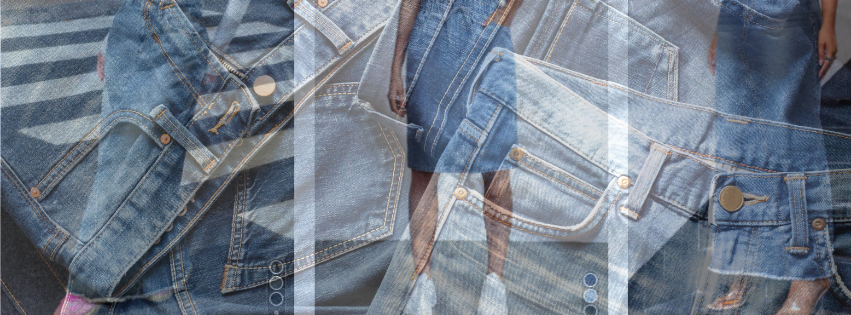
A couple of years ago, I bought a denim skirt online. It was cheap, about a tenth of the price of the one I really wanted. My budget didn’t stretch, so I clicked “buy.” The pop-ups kept suggesting “other shoppers also bought…” and I briefly wondered if the website was even real. Shein, it was called.
A few weeks later, the package arrived. It fit. It looked good. I was quite pleased with myself.
Then my daughter came home.
“I got this online,” I said proudly. “From somewhere called Shein.”
The look on her face.
“Mum… you didn’t.”
Apparently, I had just dipped my toe into the world of fast fashion. I genuinely didn’t know what that meant. It had taken weeks to arrive from China – hardly “fast,” I thought.
She explained. And the more I listened, the worse I felt. It didn’t sit comfortably with my values. I’ve never bought from them again.
This reality was brought home again just the other day at a meeting with local Whitianga reuse and resell groups, where we heard about bags of fast-fashion clothing being left at op-shop doors. Many items still with tags on, never worn, possibly suggesting people are buying multiple sizes because they’re so cheap, then discarding what doesn’t fit as if clothing were disposable.
So What Is Fast Fashion?
Fast fashion is a system designed to produce clothing quickly and cheaply, following rapid trend cycles. Instead of four seasonal collections a year, brands can release dozens in just weeks. The goal? Keep consumers buying.
However the true cost of Fast Fashion is hidden.
Environmental Impact
The fashion industry is one of the largest polluters globally. It consumes vast amounts of water, relies heavily on synthetic fibres made from fossil fuels, and generates enormous textile waste. Many garments are worn only a handful of times before being discarded.
Polyester (a common fast fashion fabric) sheds microplastics every time it’s washed. These tiny fibres enter waterways and oceans, where they persist indefinitely.
And then there’s waste. Mountains of clothing end up in our landfills or are shipped overseas to countries already struggling with waste management. Our local op shops report being overwhelmed with bags of barely worn, ultra-cheap clothing that they cannot resell.
Chemicals
Textile production uses dyes, bleaches, and finishing chemicals, and believe it, some of these toxic; that can contaminate us the wearers and our water systems. In poorly regulated regions, these chemicals affect both ecosystems and communities.
Social Impact
Low prices often rely on low wages. Garment workers, frequently women, may work long hours in unsafe conditions for minimal pay. The human cost is real, even if it’s far away from our shopping carts.
So What Are the Alternatives?
Enter slow fashion.
Slow fashion encourages buying fewer, better-quality items that last. It prioritises durability, ethical production, and mindful consumption. It’s not about perfection, it’s about intention.
Here are some practical steps:
Buy less, choose well. Ask: Will I wear this 30 times?
Shop second-hand first. Op shops and resource recovery centres are treasure troves
Repair and alter. A small mend can extend life by years
Host clothing swaps. Refresh your wardrobe without buying new
Support ethical brands. Look for transparency in supply chains
Care properly. Wash less frequently and line-dry when possible.
And perhaps most importantly: pause before clicking “buy.”
That one denim skirt started a conversation in my house. It made me realise how easy it is to drift into systems we don’t fully understand, and how powerful it is to change course once we do.
Fast fashion thrives on speed and impulse. Slow fashion thrives on care and connection.
And honestly? The second one feels much better to wear.
Kat Neilson-Jones
