
Matariki and the Power of Conscious Living: Waste, Reuse, and Personal Choice
As the stars of Matariki rise in the winter sky, Aotearoa enters a time of reflection, renewal, and reconnection. Traditionally marking the Māori New Year, Matariki invites us to pause - honouring the past, appreciating the present, and looking ahead with intention.
While celebrations today may include gatherings, food, and storytelling, the deeper values of Matariki offer something even more enduring: a framework for how we live. In particular, three modern ideas—waste minimisation, the reuse revolution, and personal choice - align powerfully with the wisdom that Matariki represents.
A Time to Reflect on Our Impact
Matariki has always been closely tied to the environment. Historically, it was a time to assess the success of the previous harvest and prepare for the year ahead. This required careful observation, respect for natural cycles, and thoughtful use of resources.
In today’s world, that same reflection can extend to our environmental footprint. Waste minimisation becomes not just a practical effort, but a meaningful act of respect. When we reduce what we throw away, we acknowledge the value of the resources we use - food, materials, energy - and the systems that sustain them.
The question becomes: what are we carrying forward into the new year, and what are we leaving behind?
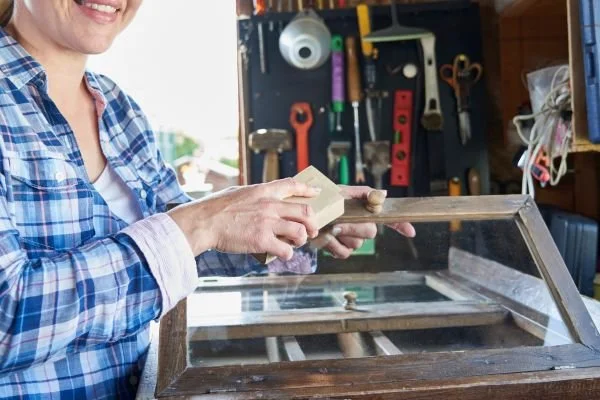
Waste Minimisation as a Modern Expression of Respect
In a society built around convenience, waste is often invisible. But Matariki asks us to notice - to see the consequences of our actions and take responsibility for them.
Minimising waste might look like:
Planning meals more carefully to avoid food waste
Choosing products with less packaging
Composting organic matter
Repairing items instead of discarding them
These actions are small, but they carry a larger message: that resources are precious and should be treated as such.
During Matariki, when food is shared and communities come together, this awareness becomes especially relevant. Preparing and sharing food with care - using what we have, avoiding excess - echoes traditional practices where nothing was wasted and everything had value.
The Reuse Revolution: Rediscovering Resourcefulness
Long before the term “circular economy” existed, Māori communities lived it. Materials were reused, repurposed, and respected. Clothing, tools, and everyday items were made to last, and when they reached the end of one life, they were often transformed into something new.
Today, the “reuse revolution” is gaining momentum as people push back against throwaway culture. Second-hand shopping, upcycling, repairing, and sharing resources are all part of this shift.
Matariki provides a perfect moment to embrace this mindset.
What if, instead of buying new, we looked at what we already have?
What if we repaired something broken, or passed on items we no longer need?
What if we saw value where we once saw waste?
Reuse is not just about saving money or reducing landfill - it’s about changing how we see the world. It encourages creativity, gratitude, and a deeper connection to the things we own.
Personal Choice: Small Decisions, Big Impact
At its heart, Matariki is a time for setting intentions. It asks us to think about how we want to live and who we want to be in the coming year.
This is where personal choice comes in.
Every day, we make decisions that shape our impact on the environment:
What we buy
What we eat
How we travel
What we throw away
Individually, these choices may seem insignificant. But collectively, they create powerful change.
Matariki reminds us that we are not passive participants in the world - we are active contributors. Our choices matter, not just for ourselves, but for our communities and future generations.
By aligning our decisions with values like care, respect, and sustainability, we honour the spirit of Matariki in a tangible way.
Connecting Past Wisdom with Present Action
One of the most powerful aspects of Matariki is its ability to bridge past and present. The values it represents - community, respect for the environment, and thoughtful living - are not confined to history. They are deeply relevant today.
Waste minimisation, reuse, and conscious decision-making are not new ideas. They are modern expressions of long-held principles.
In a time when environmental challenges can feel overwhelming, Matariki offers a sense of grounding. It reminds us that change does not have to be dramatic to be meaningful. It can start with small, intentional actions.
Looking Ahead
As we look to the year ahead, Matariki encourages us to set goals - not just for personal success, but for collective wellbeing.
What would it look like to:
Reduce our waste over the next year?
Commit to reusing more and buying less?
Make more mindful choices in our daily lives?
These are not resolutions driven by guilt or pressure, but by a desire to live more thoughtfully and sustainably.
A Shared Responsibility
Ultimately, Matariki is about connection - to each other, to the environment, and to the cycles that sustain us.
Waste minimisation, reuse, and personal choice are all ways of strengthening that connection. They remind us that our actions have consequences, and that we have the power to shape a better future.
As the Matariki stars rise, we are invited to reflect not only on where we have been, but on where we are going. By embracing these principles, we can move forward with intention, respect, and hope.
Tracey Bell - Chair, Mercury Bay resource Recovery Centre
What does Matariki have to do with waste minimisation?
Matariki is a time of reflection, renewal and looking ahead with intention. Waste minimisation connects with these values because it encourages us to think carefully about the resources we use, what we throw away, and the impact our choices have on the future.
How can I reduce waste during Matariki?
Simple actions can make a difference. You might plan meals carefully to avoid food waste, use reusable containers when sharing kai, compost food scraps, avoid unnecessary packaging, or choose second-hand items instead of buying new.
Why is reuse important?
Reuse helps extend the life of items that already exist. When we repair, repurpose, donate or buy second-hand, we reduce the need for new production and help keep useful things out of landfill.
What can I donate to Mercury Bay Resource Recovery Centre - Wāhi Tukurua?
Clean, usable items that still have life left in them are ideal. This may include hardware, outdoor living, sports items, household goods, tools, furniture and other items that someone else could use. Items should be in good, safe and saleable condition. We are not able to take clothing and prefer that books go to the Cancer Bookshop in Whitianga.
How does buying second-hand help the environment?
Buying second-hand reduces demand for new products and makes better use of the resources already invested in existing items. It can also save money and support local reuse initiatives like the Earth Store at Wāhi Tukurua.
What is one easy waste-free habit to start with?
Start by pausing before you buy something new. Ask yourself: Do I need it? Will I use it? Could I borrow it, repair something I already own, or find it second-hand instead?
